
I learned an important lesson at a writer’s conference recently while consulting with a publisher’s editor. She looked at me with incredulous eyes and asked me why she should care about a rich woman whose husband stole half a million dollars from her. And here was the kicker: she couldn’t relate because she, the editor, lives in a tiny one-bedroom apt in NYC and can barely make ends meet. Huh.
Once I got over my shock, I regrouped and realized I needed to learn from her insight. I had not conveyed enough about my protagonist to hook that editor in the first few pages – where it counts the most. That was a gift and fixable with a few easy tweaks.
A flawed protag is good, even necessary, but they have to evoke compassion from the reader on some level right out of the gate. And that’s where backstory, artfully woven in, comes into play. Not with huge info dumps, but with glimpses into the interiority of the character, injected artfully at every turn, traits that make them real and relatable. Someone to root for.
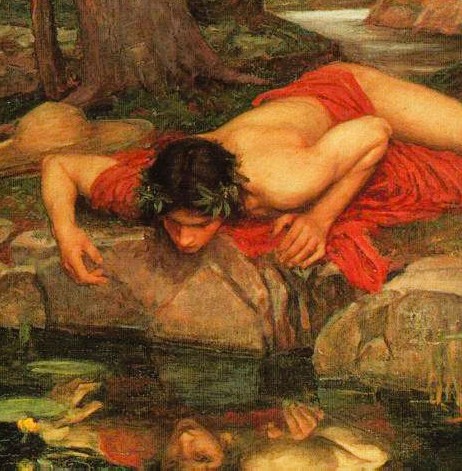
Same goes for antagonists. It’s not enough to hate them on some two-dimensional level. He stole half a mill so I hate him. We need to know why he stole that money. What drove him to behave in such a depraved way? Most of us draw from our personal experiences when creating our characters. I personally have more than enough real-life experience with narcissists and have written about them before in my blog posts. I still wonder whether I am a magnet for those suckers. Maybe, but I’m proactively eliminating them from my life whenever they show up. When I encounter someone suffering from Narcissistic Personality Disorder, or NPD, I immediately disconnect. Ignore their provocations. Laugh at their insults. And walk away from their toxic influence.
In the meantime, to bring your antagonists to life in your story, they have to be three-dimensional and offer at least a hint of humanity, while explaining why they became so dysfunctional in the first place. NPD is easily recognizable by a few traits: a grandiose sense of entitlement and self-importance, lack of empathy, need for excessive admiration, and a belief in being exceptional. These traits can be demonstrated by exploitive behavior, envy and paranoia, arrogance, contempt, and zero accountability. That’s a deep well to draw from. I think we can all name at least a few examples of those personality types in our own lives right now.
But readers want more from the writer to connect to the bad guy. The underlying question is, why are these insufferable people like that? Were they brown-skinned immigrants who were bullied as children by their white neighbors growing up? Were they spoiled trust-fund babies whose daddies never said no or set limits? Were they religious types who needed to establish their superiority over others by dictating the terms of any relationship in a faux-benign, “only I can fix it” kind of way? Or were they deprived kids who grew up on the fringes, determined to “be” someone, at the devastating expense of anyone unfortunate enough to cross their paths?
In writing, these are great breadcrumbs to scatter along the path of your story to enrich and deepen the subtext of the characters.
But in real life, the best thing you can do is calmly walk away, smudge yourself and your loved ones, then pour a lovely glass of vino tinto and embrace the beauty of your surroundings. Pura vida.
 Judy Richter